Which technical coatings help protect tanks, hoppers, screw conveyors, dosing systems, and agitators used in food-processing operations?
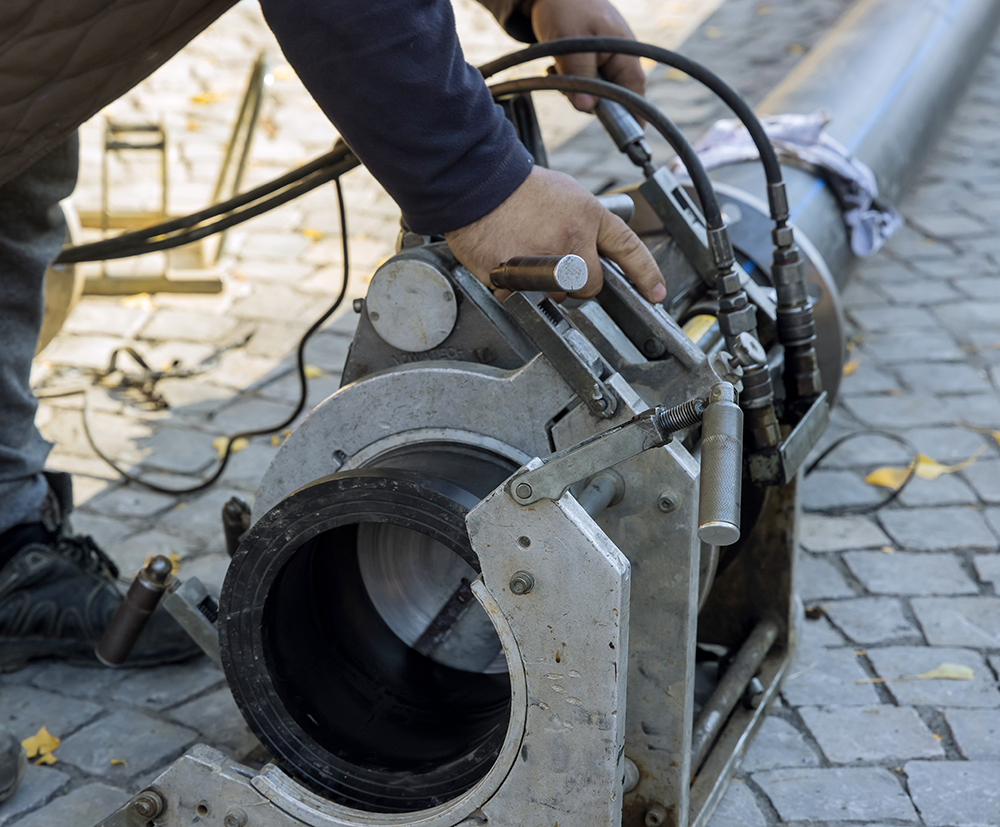
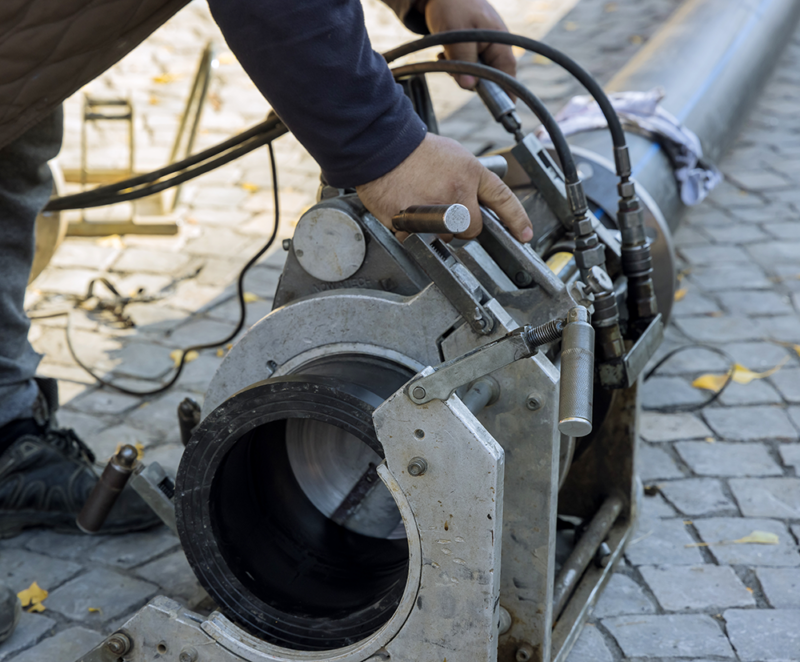
During the welding of window profiles, PE or PVC pipes, and polypropylene gas valves, technical surfaces are exposed to demanding operating conditions including rapid temperature increases, molten plastic buildup, and repeated friction on tooling surfaces.
Without suitable protection, these conditions can lead to excessive material adhesion, thermal surface degradation, and reduced assembly precision.
Technical coatings and non-stick solutions for molds used in window profile, PE/PVC pipe, and PP gas valve welding
Tools used in the welding of window profiles, polyethylene or PVC pipes, and polypropylene gas valves are continuously exposed to high-temperature molten materials. During welding cycles, softened polymers can strongly adhere to metallic surfaces, causing buildup, burr formation, and weld contamination.
To prevent these issues, Sofiplast applies non-stick coatings based on fluoropolymer technologies such as FEP, PTFE, and PFA. Known under trademarks such as Teflon® and Xylan®, these coatings create a smooth, non-stick barrier capable of withstanding high temperatures without degradation. They facilitate molten material release, significantly reduce tooling fouling, and enable faster cleaning operations between production cycles

Our eco-friendly stripping processes
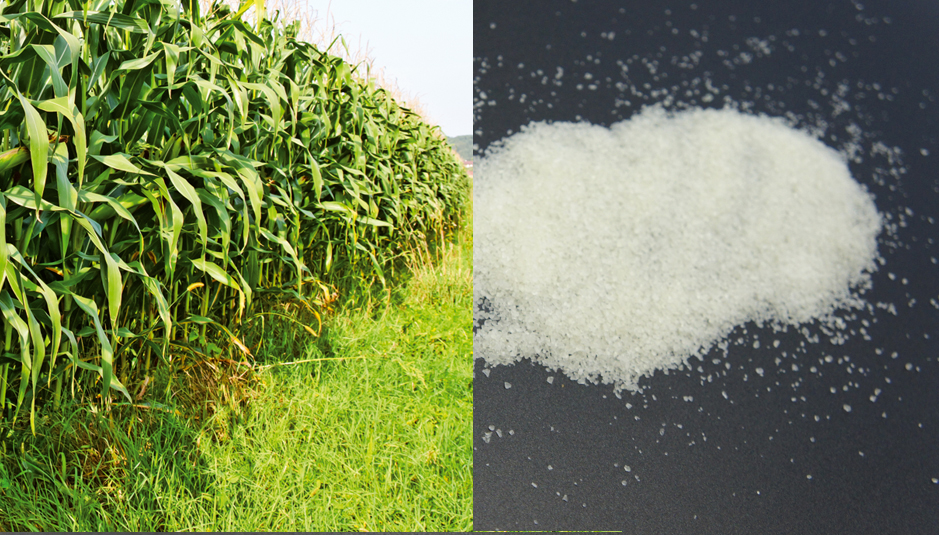
Before applying our non-stick coatings, Sofiplast recommends thorough surface preparation using an eco-friendly stripping process specifically designed for plastic welding tools used in profile, pipe, and valve manufacturing. This stripping method relies on biodegradable and reusable plant-based media such as corn starch, wheat, and fruit shells, applied at low pressure.
This gentle and non-abrasive technique provides an effective alternative to more aggressive methods such as sandblasting, laser cleaning, and chemical baths, while preserving tooling geometries and surface integrity. It ensures optimal coating adhesion while reducing the environmental impact of maintenance and refurbishment operations.
Are molten materials sticking to your welding tools and leaving residue on mold surfaces? Are weld defects being caused by contamination on metallic surfaces? Are high operating temperatures causing premature wear on your welding equipment? Is equipment precision being affected by repeated plastic buildup?
Contact us for surface treatment solutions and technical coatings for the rubber and plastics industry