Which technical coatings are best suited for protecting molds used for silicone and polyurethane parts?
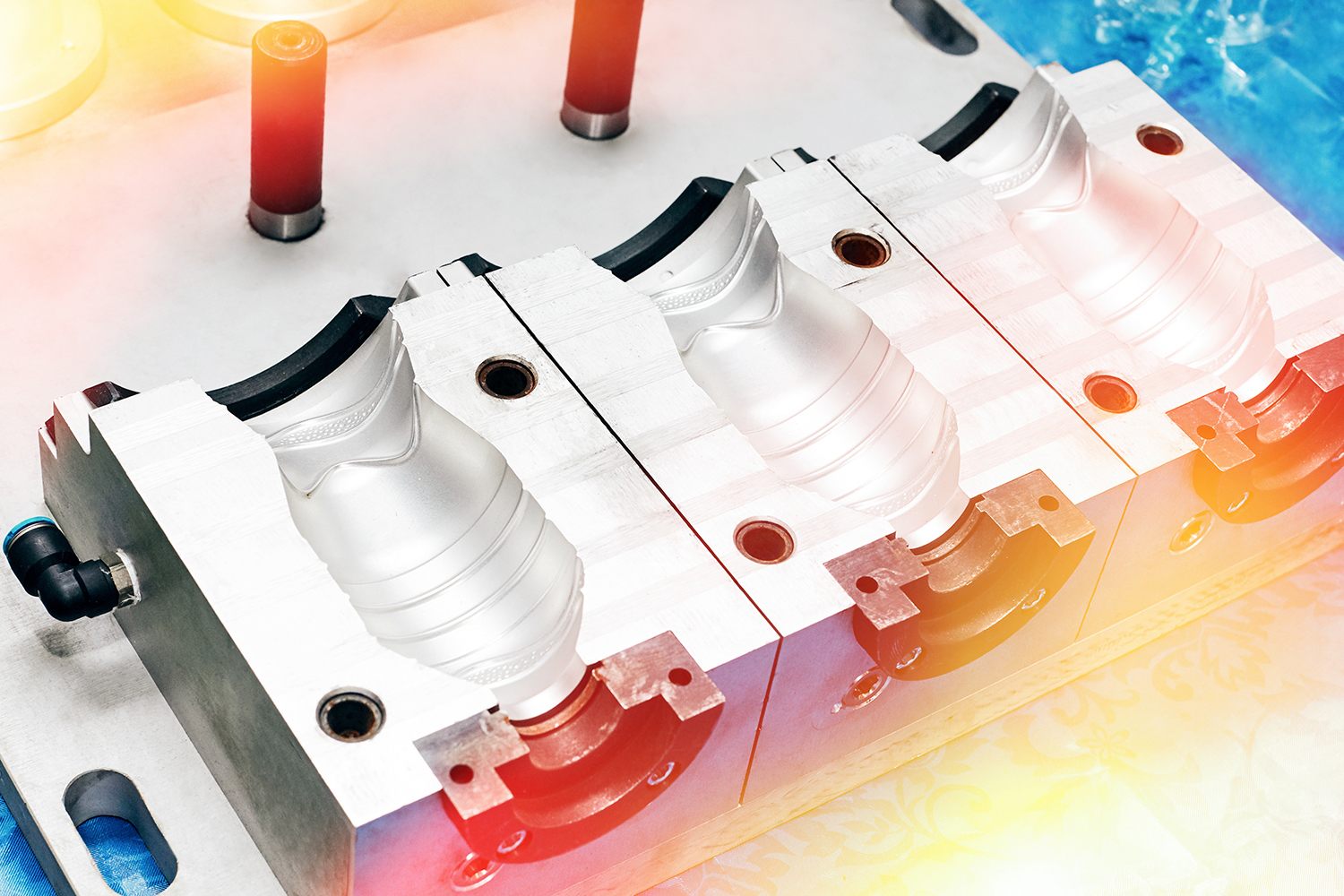
In the production of silicone and polyurethane parts, molds are exposed to demanding operating conditions including high curing temperatures, elastomer adhesion, release-agent residues, and abrasion caused by repeated production cycles. Without suitable protection, these conditions can lead to reduced part quality, premature mold wear, and increased scrap rates or maintenance-related downtime.
For certain production processes, our technical coatings provide an effective alternative to conventional release agents. By naturally reducing material adhesion to mold surfaces, these treatments help shorten cycle times, simplify cleaning operations, and improve demolding consistency.
Technical coatings and non-stick solutions for molds used in silicone and polyurethane part manufacturing
Molds used in silicone and polyurethane part manufacturing are particularly exposed to adhesion and fouling issues. These materials, often viscous or elastomeric, tend to stick to mold surfaces, making demolding more difficult, reducing surface finish and detail precision, and increasing cleaning-related downtime.
To address these challenges, Sofiplast applies non-stick coatings based on fluoropolymer technologies such as FEP, PTFE, and PFA. Known under trademarks such as Teflon® and Xylan®, these technical coatings create a smooth, non-stick, thermally stable surface that facilitates part release while reducing residue buildup and material adhesion inside the mold.

Our eco-friendly stripping processes
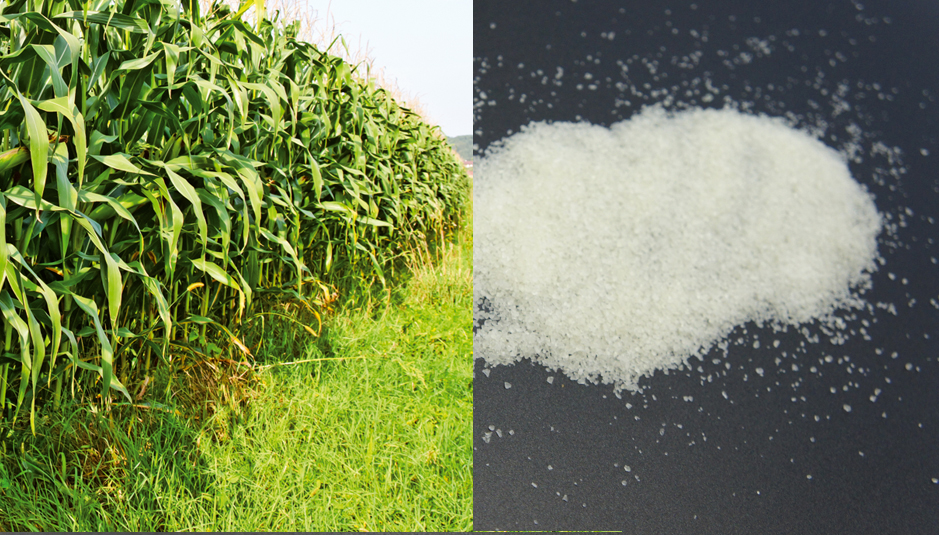
Before applying our non-stick coatings to molds used in silicone and polyurethane part manufacturing, Sofiplast uses an eco-friendly stripping process that is both gentle and highly effective. This process relies on biodegradable and reusable plant-based media such as wheat starch, corn, and fruit shells.
Unlike more aggressive methods such as sandblasting, laser cleaning, or chemical stripping, this technique preserves mold integrity, even on complex surface geometries. It ensures optimal surface preparation, guaranteeing excellent coating adhesion while reducing the environmental impact of maintenance and refurbishment operations.
Are your molds causing silicone or polyurethane parts to stick and making demolding difficult? Are material residues affecting detail precision and the quality of molded parts? Do your molds require frequent cleaning due to rapid buildup? Are repeated thermal cycles accelerating wear on your silicone-part molds?
Contact us for surface treatment solutions and technical coatings for the rubber and plastics industry